Throughout my career I have been blessed to be surrounded by and interact with brilliant people. Amongst the many life lessons I learned from these associations, one that stuck with me was the understanding that you can only improve that which you can measure. Further, the measurements must be accurate, relevant to the desired change/outcome, and frequent enough to detect meaningful change. A shout out to my industry colleagues at The Green Grid and Infrastructure Masons.
Take for example MPG (miles per gallon) as applied to motor vehicles in the USA. A simple metric that can help one make a relatively informed decision when selecting a car/truck although we all know quite well the EPA ‘disclaimer’ – your mileage may vary. Thankfully there are websites available that provide more realistic numbers from real-world driving. My 2021 Chevrolet Trail Boss 4×4 with 5.3l VR information is below. Note that I have been reporting since day one of driving.
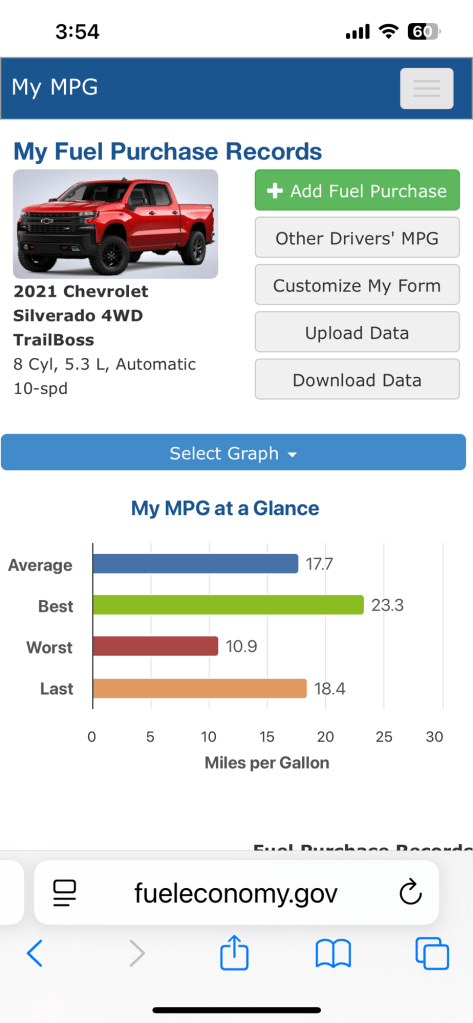
More importantly I can tell you exactly what lead to that one trip
of <11 mpg. It was driving my father, with all of his remaining belongings in a large U-Haul trailer from AZ to SoCal. Not sure if the statute of limitations has passed so I won’t say how fast we were driving although we did make quite a few stops along the way. And with towing I had to hold the truck to 8th gear or lower (per user manual) making for some high revving climbs and descents.
As to the >23 MPG, well that was me stacking the deck to maximize fuel economy. On that trip I left my departed parent’s former home in Prescott Valley, AZ (5,500 ft elevation) and drove mostly downhill and backroad speeds of 45-55 MPH to the AZ/CA border area. No AC running either as it was winter time. Not a very long trip in terms of miles nor an accurate reflection of typical driving. So this set the upper limit on maximum MPG. I’ve rarely topped 21 MPG on the highway when driving long distances.
You can find my 2021 truck data at Fuel Economy and also at https://www.fuelly.com where it seems due to the convenience of the app a lot more data from real world vehicle use is reported.
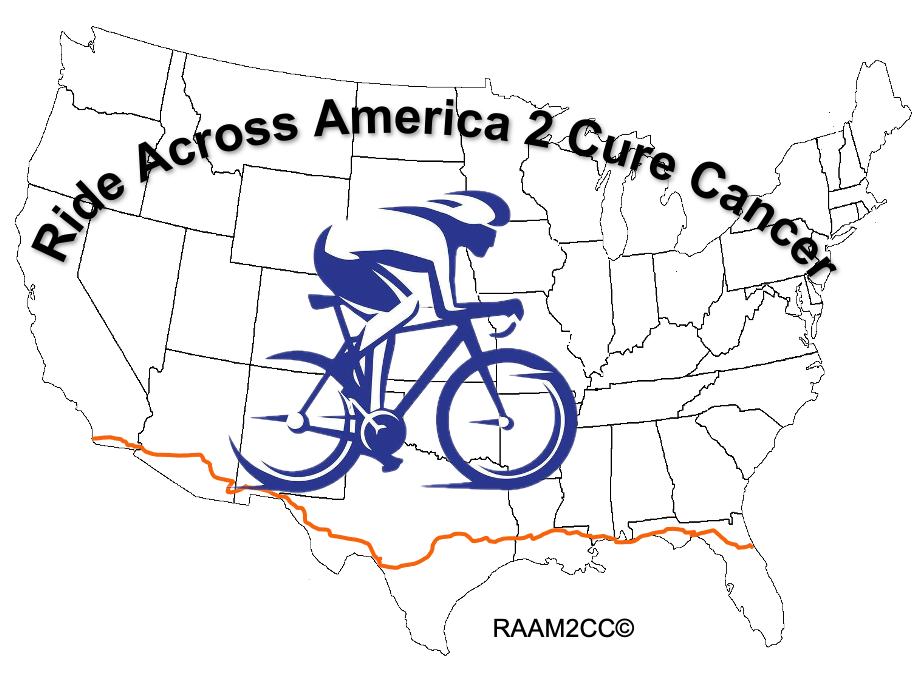
When it comes to sports data and statistics abound. For my training leading up to the Ride Across America 2 Cure Cancer metrics and data are vital to my success both physically and mentally. And frankly at this point in my preparation it is the mental aspects of the ride that give me the most concern. So building the base miles, seat time, and training my stomach to handle as much ride food / carbs required will give me the mental confidence I will make it, with ease.
What am I measuring? What metrics are important and which are merely nice to know? Well, I’m working on that. A few previous posts highlighted the wealth of biometric, performance, and road/terrain/weather information that can be gathered by my various Garmin sports devices; Venu 3 watch, Edge 830 cycling computer, RS200 power pedals.
The RAAM2CC is 3,000 miles in 39 days of riding. Averages don’t tell the entire story but that is around 77 miles/day or 5 hours riding time a day. To be ready I need to slowly bump up my training miles and time from the 500 miles per month with at least one week over 200 miles to consistently riding 1500 miles a month with at least one week over 400 miles by the end of this year. Ouch, that hurts just thinking about it.
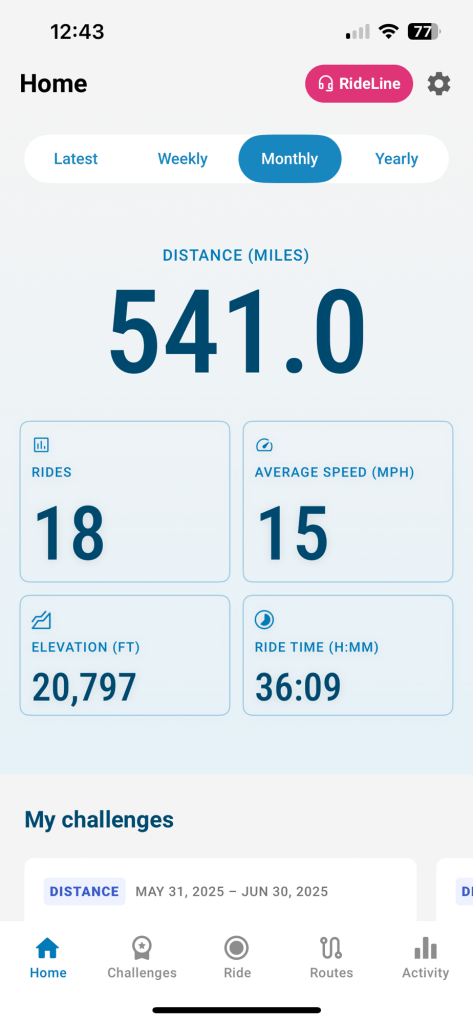
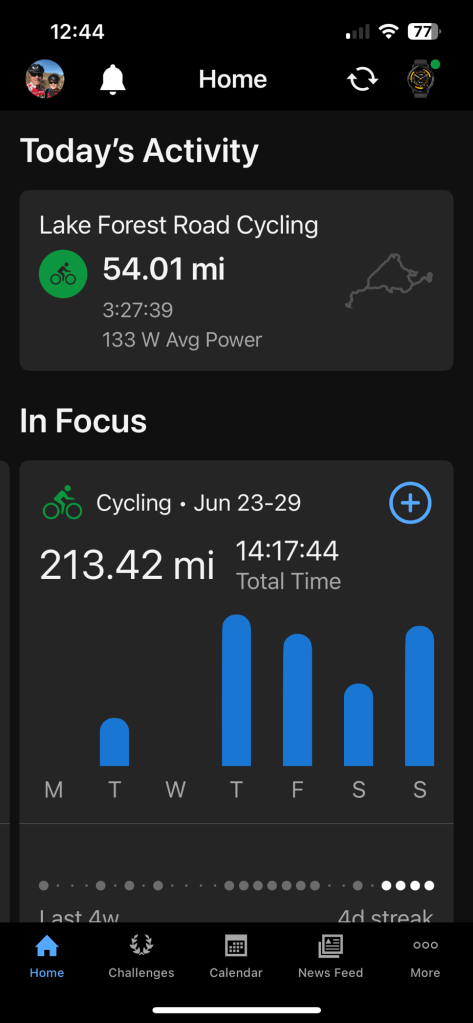
Along with the miles and saddle time I will be working on improving my ability to maintain speed at lower heart rates (zone 2 & 3 for those familiar with HR Zones). This plan to gradually increase time/miles will also help me learn what my body needs for recovery each afternoon/evening/night in food, hydration, stretching, and sleep in order to get back out day-after-day.
March 7, 2026 is not that far away! 😃
 RAAM2CC©
Leave a comment