Okay so that is hard to believe. Why one earth are you telling us we need to ‘train’ for tailwinds? Clearly you don’t know Jack. (I’ve been wanting to find a way to incorporate that somewhere. 😀)
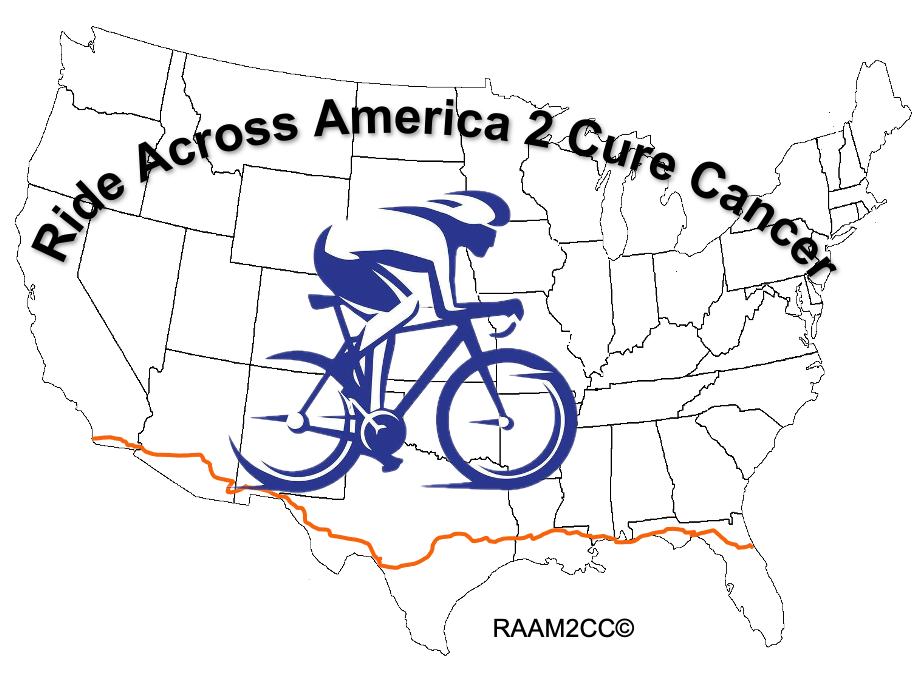
Seriously, there are aspects of tailwinds especially when considered in the context of either a long day of riding or in the RAAM2CC I will be doing with 39-days of stage racing. No matter your circumstances it is wise to consider how you will take advantage of your tailwinds when they appear.
Just like Headwinds, tailwinds come from anywhere less than the 180 degree half-circle behind us. Of course the closer to directly behind us the better. However even a quartering tailwind can provide a lot of benefit especially on a long ride.
Let’s talk about those strong tailwinds directly behind us. Yahoo free speed! But beware of the risk of trying to take too much advantage of these winds.
Let’s say you have been cruising along all day at 15 to 18 MPH (variable) when Boom, you find yourself with a nice tailwind that lets you cruise along easily at 18 to 20. Now your Neanderthal core brain kicks in encouraging you to push on a bit harder. Hey let’s go for 22 – 25 MPH!
Been there, done that. For a short period of time, and provided you take a more aerodynamic position like we discussed in Headwinds, this is fine. But if you pay attention to your HRM (heart rate monitor), power meter (Garmin Edge and Dual Pedals), or simply your RPE (relative perceived effort) you will find you are pushing your body well past Zone 3 (tempo) heart rate / effort and into Zone 4 (threshold). Not something you can sustain for hours.
So you need to ask yourself – hey superstar, is this ride almost over or do I need to save something for either later today (wind shift, known hills/climb) or tomorrow? If the answer is anything other than – no, we got this. No downside to letting it rip, then pound away. Heck, push Z5 (anaerobic) if you feel like it. Your Garmin HRM will thank you later.
Training lessons. Treat tailwinds as a gift. Evaluate how you want to take advantage of them.
The best practice is to keep your level of effort constant and let the wind and its direction of force determine how much faster you ride. While enjoying the ‘free’ speed consider shifting to a gear that lets you spin easily further reducing the stresses on your legs, lungs, and heart.
Do get into an aerodynamic position to minimize your forward resistance and maximize the benefits of the tailwind while you have it.
Practice tailwind riding when you can. Try to identify when you have one of 3 to 5 MPH (wind velocity) or greater from any position behind you as even the slightest breeze can translate into reduced power and energy on your part.
Energy saved today makes your recovery easier and provides multiple benefits for tomorrow’s ride.
As they say in the Navy: may you enjoy fair winds and following seas. (Tailwinds always)

 RAAM2CC©
Leave a comment