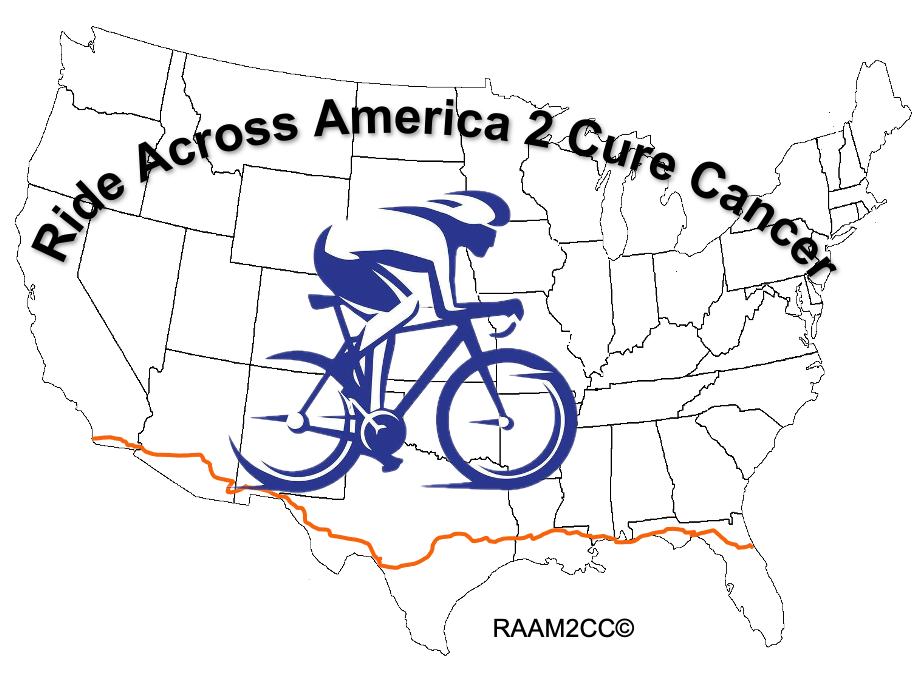
This will be the first of many related posts as I train my body, mind, spirit, and develop the proper fueling (food), hydration (more than water), stretching, and recovery techniques to conquer the route. Perhaps not with ease, but as quickly as prudently possible without risking too many bonking episodes or fatigue. To be successful I want to be able to ride at least 350 miles in a ‘typical’ training week ideally with more total elevation gain than the worst week on the route. That works out to >350 miles with >16,000 feet of climbing. Breaking it down further five days of riding 70+ miles and a mere 5,250 (a mile) of climbing. Fortunately, living in Southern California finding those routes won’t be to challenging. It is doing them on purpose that will put me to the test, mentally.
Ok, I know what you are thinking – Jack, you are Nuts! Well that’s probably true but the fact is many people make this ride each year and the vast majority start in a worse position relative to cycling fitness, experience, and even current riding miles. As I write this, I just completed a relatively solid 2024 with 4,338 miles of riding (road and mountain biking), 365 hours, and 180,000+ feet of climbing. For 2025 my total milage goal is >5,000 with >225,000 feet of climbing That should put me in good condition for the Epic Adventure.
Back to training and the unintended consequences of Averages. As much as the simple breakdown above makes it look rather easy to develop a basic training plan, and to a degree it does, what is missing is the granularity of the most challenging aspects of the RAAM2CC – the actual hills and headwinds. This means I need to focus on going just a bit faster uphill and have a little more power in reserve to suffer through headwinds/rain, over a 2-to-3-hour window not just minutes. Or in the words of Greg Lemond, “it doesn’t get any easier, you just get faster.”
Why 10% faster uphill is much faster overall than 10% faster downhill? A great training / racing question with a few answers, some less obvious. First, anyone can go fast downhill and even the very best descenders in the grand tours can rarely open up more than a minute gap on the most challenging, torturous downhills and even then, they are using the entire surface of the road, a road closed to traffic. So no, you are not going to save a great deal of time by learning how to ride your road bicycle like a Moto GP motorcycle down a busy roadway with oncoming traffic. Especially one you have never seen before.
The math behind riding uphill 10% faster is irrefutable. Let’s take a short, by my standards anyway, hill climb of 2 miles at a 4% grade. Taxing but not impossible for most. If you can keep the pedals turning over and the motivation up you may be averaging 10 MPH. This means you cover the 2 miles in 12 minutes, 1-mile every 6-minutes. Hey, that wasn’t so hard.
Now pick it up 10% to 11 MPH. Now you are covering each mile at just under 5 ½ minutes making the 2-mile climb in 10.9 minutes to be exact. Let’s call it 11. Yay, one down. Except on a ride like RAAM2CC you are probably facing longer climbs and more of them per day. For example the starting day alone is at least 20 miles of climbing on a 40-mile day. Those minutes add up. 10% faster could mean ½ hour or more saved on the day’s ride. Now repeat that 15 to 20 more hilly day or headwind days and it really adds up.
What does this training look like? Ride More Hills. More often. Collect data on time, speed, how you felt, fuel (liquid and bars/solid), heart rate, power (or RPE relative perceived effort), and recovery – how did you feel after the ride and especially the next day. Then go back in a few and do it all over again.
Enjoy, or at least grin when others are looking.

 RAAM2CC©
Leave a comment